
How Can I Create a Strong Farm Brand Identity?

Do you really need a brand if you're a local farmer?
The short answer is yes—especially if you don't want to compete on price alone.
Sure, some farms are successful without a clearly defined brand strategy. But when you look closer, they often have another rare advantage working for them.
Maybe the farm has been in the same family for generations. Maybe it has the best location in town. Maybe the owner has a huge local network. Or maybe the farm grows a product people simply can't find anywhere else.
But what if you could sell more than produce?
What if you could sell an identity, a belief, or an experience?
What if customers chose your farm because they wanted to be part of the community around it?
Strong farm branding can help people understand why your business is different, remember you, and feel more connected to what you do.
Branding isn't something you write in a presentation and forget about. It takes real work to build a reputation and customer experience around a clear idea.
Why Is Farm Branding Important?
Farm branding helps customers understand why they should choose your farm instead of another farm, grocery store, or produce supplier.
If your only message is "we sell fresh strawberries," customers are likely to compare your strawberries based on price, quality, and convenience.
But maybe you're not really selling just strawberries.
Maybe you're selling Saturday mornings with the kids.
Maybe you're helping people reconnect with where their food comes from.
Maybe you're preserving a family farming tradition.
Maybe you grow unusual varieties people can't find at a supermarket.
Maybe your farm represents a slower, more intentional way of living.
The product still matters. Of course it does.
But a strong brand gives people another reason to choose you.
It gives meaning to the product.
This is where branding and brand strategy become especially valuable for small farms. Branding helps people recognize you. Brand strategy helps define what you want to be recognized for.
Is Farm Life Becoming the New Luxury?
Probably not if you're the one waking up at 5 a.m. to do the actual farming.
But the way people see farm life is changing.
For years, the city represented success.
Fast. Busy. Connected.
Now, after years of screens, notifications, and always being available, the countryside is starting to represent something many people feel they don't have:
Space.
Slowness.
Nature.
Something real.
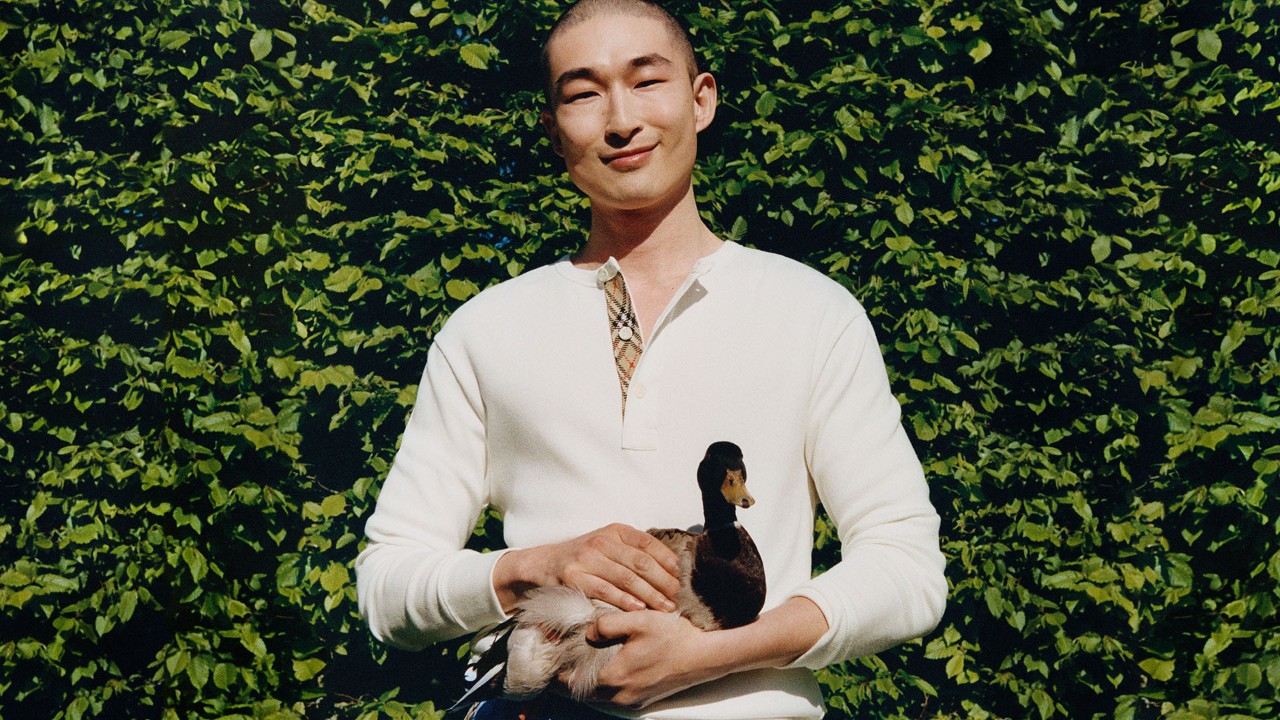
You can see this shift all over social media. And now even luxury brands are borrowing the same imagery.
Burberry's 2026 "Escape to the Countryside" campaign follows a group of friends leaving the city for a summer road trip through the British countryside.
Open roads. Green landscapes. Country houses. The feeling of getting away.
Luxury, apparently, has found the countryside.
And I think there is an interesting lesson here for farm owners.
If you see your farm business as more than a place that sells produce, pay attention to this shift.
People may come for the strawberries.
But the farm itself—the land, the animals, the old barn, the muddy boots, and the way something is grown—can become part of what they're buying into.
Farm dinners. Workshops. U-pick experiences. Events. Farm stays. Beautiful farm shops. Behind-the-scenes content.
Things that feel completely ordinary to you may feel like an escape to someone else.
Sometimes your biggest brand asset is the thing you've stopped noticing because you see it every day.
How to create a unique brand identity for a small farm?
A unique farm brand identity starts with defining how you want people to see, feel about, and remember your farm.
When people hear the word "brand," they usually think about the tangible parts: a logo, tagline, fonts, or color palette.
Those things matter.
But your farm brand starts on the psychological side.
It includes your personality, reputation, values, positioning, story, and the experience customers have with your business.
Before you design a logo, ask yourself:
- How is my farm currently perceived?
- What do I want this business to become in the next five or ten years?
- How do I want customers to feel when they visit or buy from us?
- What do customers value most about my farm?
- What do we do differently from other farms?
- What part of our story would be difficult for a competitor to copy?
- Why do loyal customers keep coming back?
- If my farm disappeared tomorrow, what would customers miss?
This is where customer research can be extremely valuable.
Consider working with a brand strategy consultant to interview current and past customers. You may discover that the thing you think makes your farm special isn't the thing customers value most.
As a brand strategist, I often see business owners overlook their strongest assets simply because they are too close to the business.
Something that feels normal to you may be exactly what makes your farm interesting to a customer.
The goal is to define a clear value proposition: a simple understanding of who your farm is for, why people choose it, and what makes it different.
Your value proposition then becomes a roadmap for future marketing decisions.
What Are the Best Farm Branding Strategies for Small Businesses?
The best farm branding strategy is the one that fits your farm, your customers, your market, and your real strengths.
Positioning never happens in a vacuum.
You can't simply look at another successful farm, copy its rustic logo, start posting sunset photos, and expect the same result.
Your strongest position may already be hidden in your story.
For example, your farm could build its brand around:
Legacy. The farm has been passed from generation to generation. The brand is about preserving knowledge, tradition, and a connection to the land.
Innovation. You're challenging old ways of doing things. Maybe you use vertical farming, new technology, unusual growing methods, or a different business model.
Escape. Your farm gives busy people a place to slow down, get outside, and reconnect with nature.
Education. You want people to understand where food comes from. The farm becomes a place for families, schools, workshops, and hands-on learning.
Community. Your farm brings local people together through markets, dinners, events, memberships, or shared traditions.
Craft. You obsess over quality. You grow rare varieties, use careful methods, and treat farming more like a craft than mass production.
Regeneration. Your philosophy centers on improving the soil, protecting the land, and farming with the future in mind.
Rebellion. You believe the modern food system has become too disconnected, too industrial, or too complicated. Your farm offers an alternative.
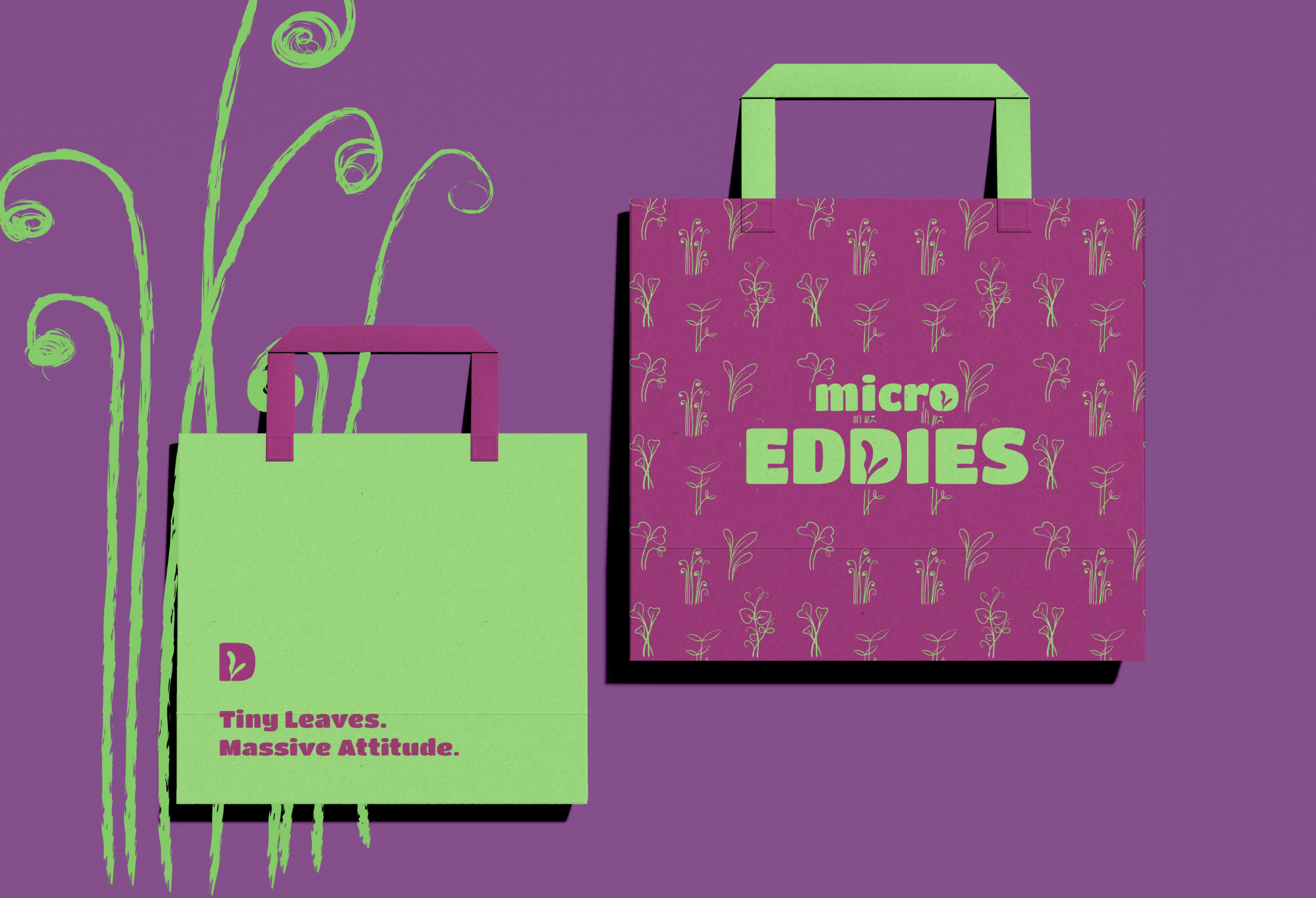
Joy. Your farm isn't serious or overly focused on wellness. It's colorful, fun, family-friendly, and designed to make fresh food feel exciting.
Self-sufficiency. Your farm represents independence, practical skills, and a desire to live with less dependence on mass consumer culture.
None of these stories is automatically better than another.
The question is: Which one is true for you?
A strong brand strategy doesn't invent a personality because it looks good on Instagram.
It finds something real in the business and makes that idea easier for customers to see.
How Do I Define My Farm's Brand Personality?
Your farm's brand personality is the human character people associate with your business.
If your farm were a person, how would it speak?
Warm and welcoming?
Knowledgeable and serious?
Playful and a little weird?
Traditional and dependable?
Bold and rebellious?
Calm and thoughtful?
This decision affects more than social media captions.
Your brand personality can influence your photography, packaging, farm signage, website, events, employee communication, and even the way customers are greeted when they arrive.
For example, a family-focused U-pick farm may have a playful, friendly personality. The signs can be humorous. The website can use simple language. Social media can show messy kids, muddy shoes, and imperfect moments.
A premium specialty farm selling to chefs may need a very different personality. The focus could be craftsmanship, knowledge, seasonality, and obsessive attention to quality.
Both can be strong brands.
The problem starts when a farm tries to be everything at once.
A clear brand strategy helps you make these choices intentionally and stay consistent as your farm grows.
What are the best practices for developing a farm logo design?
Creative farm logo design should be simple, memorable, functional, and connected to your larger brand identity.
Working with an experienced brand identity designer is usually the best option because logo design isn't only about making something attractive.
The main job of a logo is identification.
People need to recognize it.
Before designing a farm logo, think about where it will actually be used.
Your logo may appear on:
- A large roadside sign
- Farm buildings
- Product packaging
- Small labels
- Egg cartons
- Produce boxes
- Farmers market tents
- T-shirts and hats
- Employee uniforms
- Social media profiles
- Your website
- A tiny phone screen
That's a huge range of sizes and formats.
Your logo needs to work across all of them.
A beautiful, detailed illustration of a barn, tractor, cow, sun, mountains, and five rows of crops might look great when it's large.
Shrink it to the size of an Instagram profile picture or a small product label and suddenly no one can tell what they're looking at.
That's why a farm logo should be scalable and flexible.
You may also need several logo variations: a primary logo, a simplified logo, a wordmark, and a small icon.
Think of the logo as a system, not one image you force onto everything.
What logos work best for farm branding?
The best farm logos are easy to recognize, easy to reproduce, and different enough from competitors to be remembered.
There isn't one logo style that works for every farm.
A traditional family farm may use a heritage-inspired wordmark.
A modern vertical farm may need a bold, contemporary identity.
A children's farm experience could use a playful character or mascot.
A premium flower farm may use a more elegant and expressive visual style.
The design should reflect the brand strategy—not a trend on Pinterest.
Here's a simple exercise I recommend.
Collect the logos of 10 to 20 competing farms and put them all on one page.
Then add your logo.
Now ask:
Can I find mine in three seconds?
Does it look different, or does every farm use the same barn, sun, leaf, and green color palette?
Could I accidentally swap my logo with a competitor's and no one would notice?
Does my logo match the personality and position I want my farm to have?
This is one of the simplest ways to evaluate creative farm logo design.
Differentiation is difficult to judge when you look at your logo by itself.
Your logo doesn't exist by itself.
It exists next to everyone else competing for your customer's attention.
How Can I Turn My Farm Into a Brand Experience?
You can turn your farm into a brand experience by looking at everything customers see, hear, touch, and feel when interacting with your business.
Brand experience isn't limited to large farms with huge marketing budgets.
It could be the sign people see when they arrive.
The names of your products.
The way your farm shop smells.
How produce is packaged.
What you tell people during a farm tour.
The playlist at a farm dinner.
The email customers receive after joining your CSA.
The way your team answers the same question for the hundredth time.
Even the muddy road can be part of the experience if it fits the story you're telling.
U-pick operations, farm stays, educational workshops, tours, and farm-to-table dinners can give customers a closer connection to agriculture and the people behind their food.
But don't add experiences just because they're popular.
A pumpkin patch doesn't make sense for every farm.
A luxury farm dinner doesn't make sense for every audience.
Your customer experience should support your brand strategy.
Ask yourself:
What could customers experience here that they can't experience at another farm—or at a grocery store?
That's a much more useful question than, "What should we post on Instagram this week?"
How Do I Build an Engaging Online Presence for My Agricultural Business?
An engaging online presence starts by showing people what is genuinely interesting about your farm.
And this is where many farm owners underestimate themselves.
You may think nobody wants to see irrigation being set up, seeds arriving, a greenhouse being prepared, animals being moved, or the first strawberry of the season.
But your customer doesn't see those things every day.
You do.
Your normal is their behind-the-scenes content.
Instead of only posting polished photos of finished produce, show the process.
You could share:
- What you're planting this week
- Why you chose a specific variety
- A problem you're trying to solve
- What 5 a.m. actually looks like on the farm
- How weather changes your plans
- The difference between supermarket produce and what you grow
- A family or farm tradition
- The story behind an old building or piece of equipment
- A customer question you hear all the time
- A mistake you made and what you learned
- Seasonal changes
- A farm animal with an unnecessarily dramatic personality
Your online presence should help people understand your world.
Consistency matters here too.
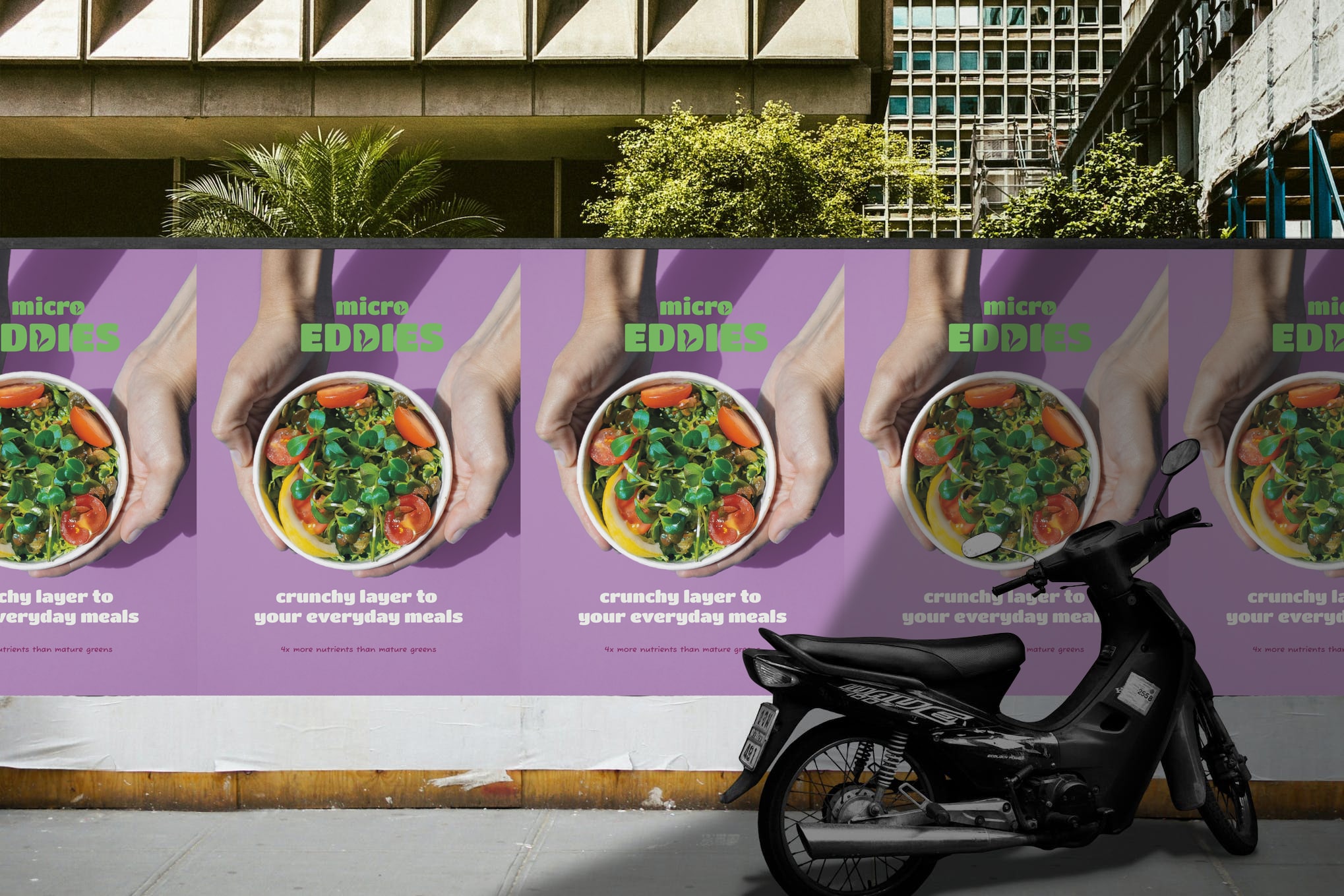
Use the same brand name, visual identity, photography style, and general tone across your website, social media, packaging, signage, and other marketing materials.
This is where branding and brand strategy need to work together.
Your strategy defines the idea.
Your branding helps people see and recognize that idea.
But don't confuse consistency with perfection.
You don't need every Instagram photo to look like a magazine campaign.
You need people to recognize you and understand what your farm stands for.
Your website should also answer the practical questions customers are already asking:
What do you grow?
Where are you located?
Can people visit?
Do you offer U-pick?
Do you sell wholesale?
Do you have a CSA?
Are dogs allowed?
What is in season?
How are your farming practices different?
Clear answers make your website more useful for customers and easier for search engines and AI tools to understand.
Where Can I Find Professional Farm Branding Services?
A brand strategist can help you understand how your farm is currently perceived, identify what makes it different, and create a clear direction before you invest in a new logo or website.
I'm Talia Prots, an independent brand strategist and designer working with small businesses and farm brands.
My process usually starts with a brand audit.
I look at your current positioning, messaging, visual identity, customer experience, competitors, and online presence to understand what's helping your brand—and what may be holding it back.
From there, I work as a brand strategy consultant to help define who you want to attract, what makes your farm different, and how to position your business more clearly.
Once the foundation is in place, we can bring the strategy to life through messaging and visual identity design.
Because a new logo can make your farm look different.
A clear brand strategy helps people understand why your farm is different.
If you own a farm and feel like there's more value in your business than your current branding communicates, reach out.
Sometimes the biggest brand opportunity is already there.
You just need a fresh perspective to see it.